
WHAT IS EARLY BUDDHISM AND WHY IT MATTERS?
Early Buddhism is grounded in the original teachings of the Buddha.
Early Buddhism is based on the teachings of the Buddha and his closest disciples, as preserved in the earliest Buddhist texts, such as the Pāli suttas and their counterparts in other early Buddhist schools (for example, the Chinese Āgamas and Sanskrit fragments).
The Theravāda tradition is often regarded as the school that has preserved these early teachings and texts with the greatest precision; however, many contemporary scholars point out that Theravāda interpretations may diverge from early Buddhism.
Early Buddhism is a philosophical and religious system focused on an authentic understanding of the nature of suffering and the path leading to liberation from it (nibbāna).

EB allows practitioners to discover the fundamental teachings and practices of the Buddha.
as they are presented in the Early Buddhist texts. Understanding early Buddhism can help avoid later interpretations that may have diverged from the original intent.
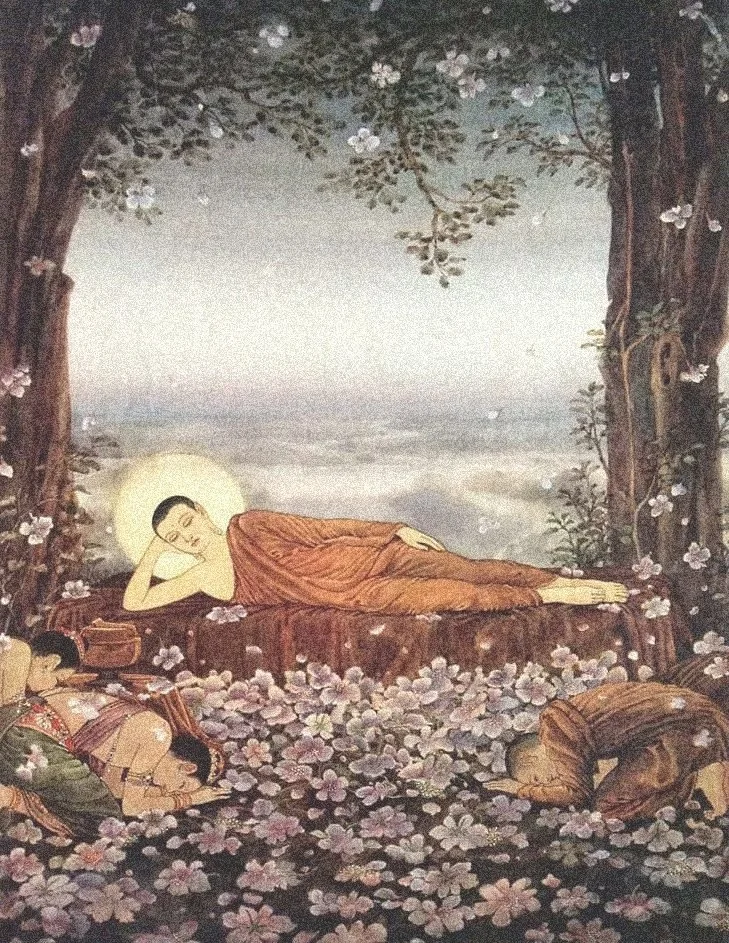
The central role of mindfulness (satipaṭṭhāna)
as a path to Nibbāna highlights the crucial importance of systematically cultivating this quality of mind in both meditation practice and daily life.

The preference for the pleasant path:
Early Buddhism favors development through cultivating wholesome mental states, such as deep meditative absorptions (jhāna) and divine emotions (brahmavihāra).
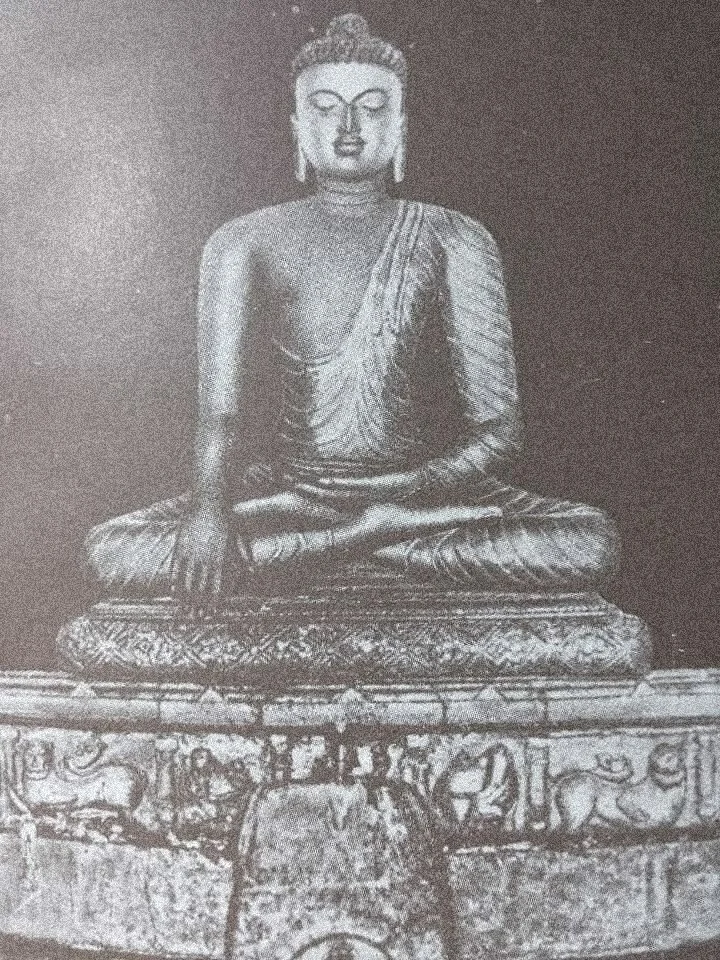
Early Buddhism has a practical character
EB emphasizes direct experience and personal understanding as the key to liberation. This reminds practitioners of the importance of their own introspection and verifying the teachings through practice.
EB emphasizes the cultivation of wholesome states (kusala dhamma).
Such as the absence of greed, hatred, and delusion. “Wholesome” (kusala) is translated as something worth cultivating, as it leads to well-being and aligns with the natural human motivation to avoid suffering.
It advocates a balance between caring for others and one’s own awakening.